Mention a board game designed to help kids talk about their feelings, and people light up. It's clever. It's approachable. Of course kids need something playful to help them open up — that's just good design. But mention the same idea for adults, and the reaction flips almost instantly. "What adults like that?"
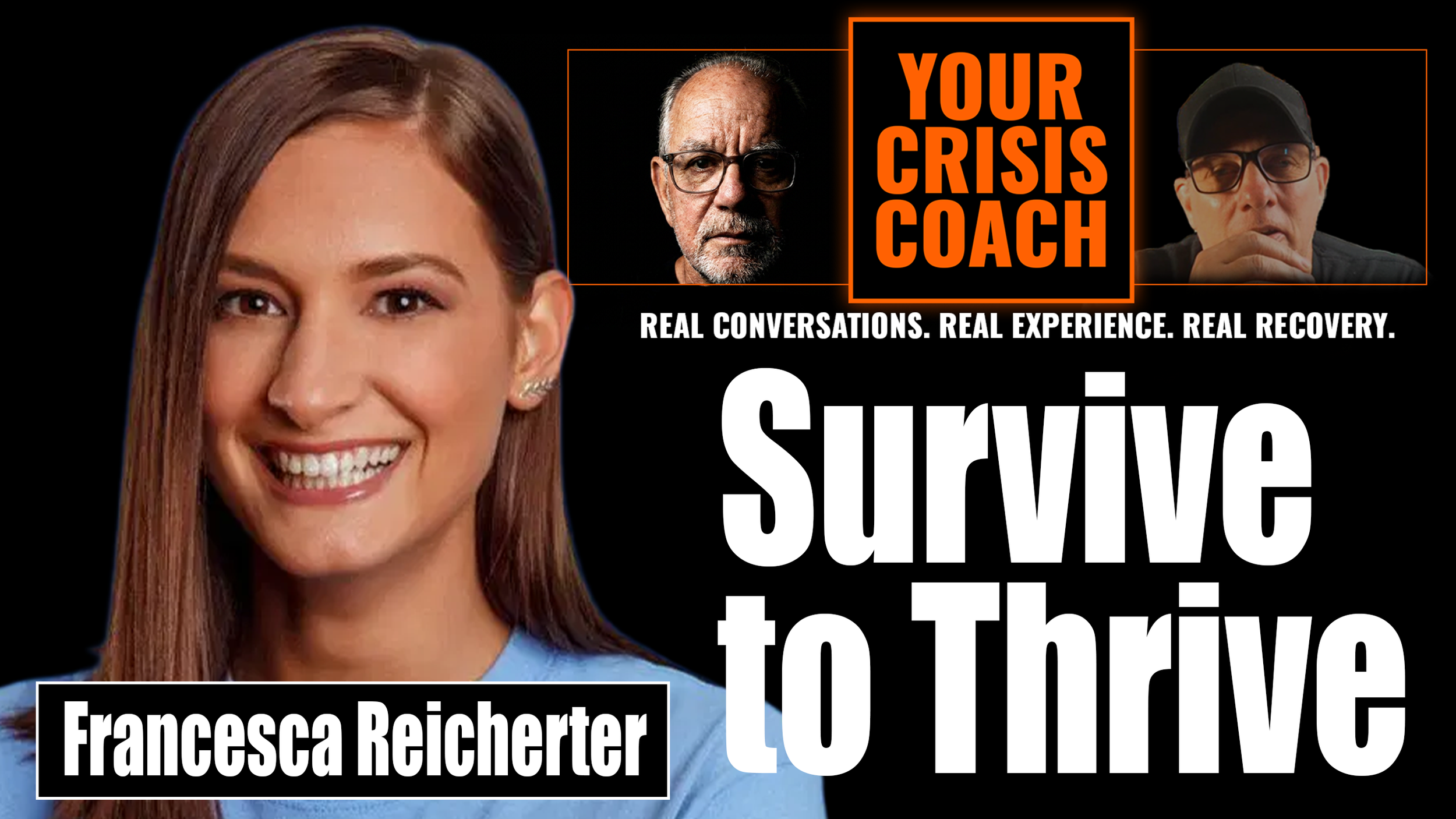
That reaction is the exact obstacle Francesca Reicherter, founder of the nonprofit Inspiring My Generation, says she runs into most in her work. She created a board game called Pieces of You, built to help people talk honestly about what they're going through. It has a youth edition. It has a guided edition. And it has an individual and family edition — built for adults. That last one is the hardest sell, not because it doesn't work, but because of what people assume creativity is for.
Where the Double Standard Comes From
"There's such a stigma around creativity," Reicherter says. Art and play are treated as tools for children — appropriate scaffolding for a brain that hasn't fully developed yet. But "once you get to a certain age, you're not supposed to want to do these interactive activities anymore." Somewhere along the way, expressing yourself through something other than direct conversation gets filed under childish, instead of what it actually is: a different — sometimes more effective — way in.
The irony, as Reicherter has seen firsthand, is that adults often need this kind of indirect entry point more than kids do, not less. She runs her board game weekly with adults at a recovery facility, D.D. Hirsch Excelsior House, and has noticed something that surprises most people: the men in the group tend to open up more through the game than the women do — and more than either group typically does in straight conversation. Give an adult permission to answer a prompt instead of "just talk about your feelings," and the wall comes down faster.
Why the Format Itself Does the Work
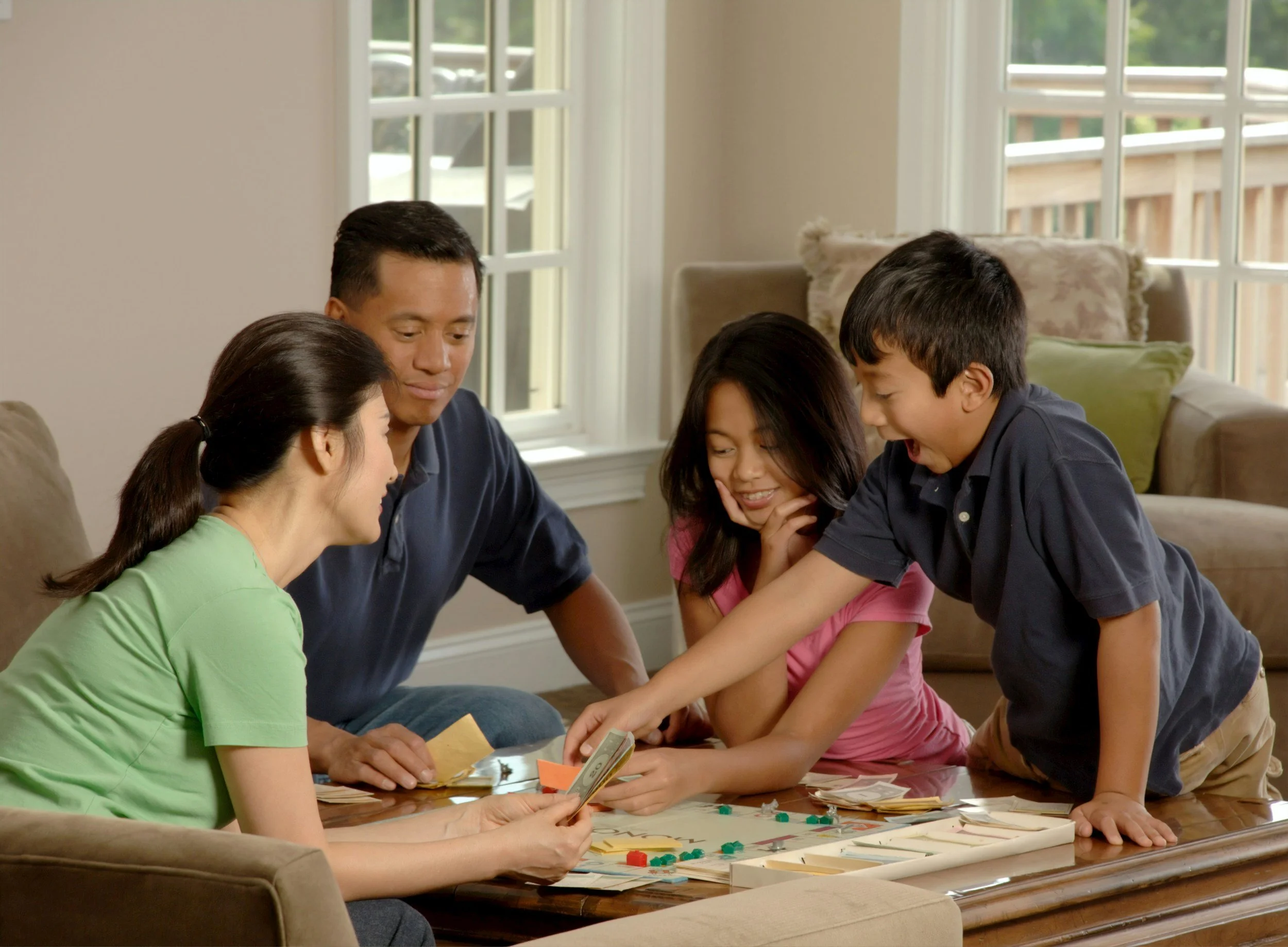
Part of what makes tools like this effective isn't just that they're playful — it's that they lower the stakes of talking. Reicherter's game works by having players roll dice and land on prompts: a red space might ask you to write a letter from your current self to your future self; a green space might ask for a journal-style reflection. Nobody has to stare at another person and generate vulnerability out of nowhere. The structure does some of the emotional labor, and that structure is exactly what makes it usable by people who'd never sign up for open-ended sharing.
This lines up with something co-hosts Scott Silverman and Fred Carroll raised elsewhere in the conversation — that men in particular are often taught not to feel certain things, let alone talk about them, and end up holding everything in until it comes out sideways. A format that doesn't ask someone to lead with raw emotion, but instead gives them something concrete to respond to, can be the difference between someone participating and someone shutting down entirely.
The Case for Tangible Tools
Reicherter's broader philosophy leans on more than just games. Her nonprofit also produces handmade encouragement cards — over 35,000 sent to psych units around the world — and a series of recovery workbooks. The common thread across all of it is that people leave with something physical. Not just an insight they had in the room, but an object they can hold onto afterward. "It's so much more powerful when you leave with a physical takeaway, a tangible reminder," she explains.
That's a meaningfully different model than most standard talk-therapy or support-group formats, which typically end when the conversation does. A card, a completed workbook page, or a board game answer written in someone's own handwriting persists. It can be reread on a hard day months later, long after the specific conversation that produced it is forgotten.
What This Means for Providers and Families
For clinicians, facility staff, and family members supporting someone in recovery, the implication isn't that creative tools should replace clinical care — it's that dismissing them as lightweight or juvenile cuts off a genuinely useful pathway, particularly for people who don't respond well to direct, conversational vulnerability. The instinct to reserve games, art, and tangible tools for children says more about cultural assumptions than it does about what actually helps someone talk.
If a tool gets someone — of any age — to say something true they wouldn't have said otherwise, the fact that it involves dice or crayons isn't a weakness. It's the whole point.
To learn more about the Pieces of You board game and Francesca Reicherter's recovery workbooks, visit francescareicherter.com and inspiringmygeneration.org. For more conversations on mental health and recovery, visit yourcrisiscoach.com.