
What Grooming Really Does to the Brain and Sense of Self
“When people hear the word grooming, they often think of the moment someone is exploited. But grooming doesn’t begin with abuse, and it doesn’t end when the relationship ends.”
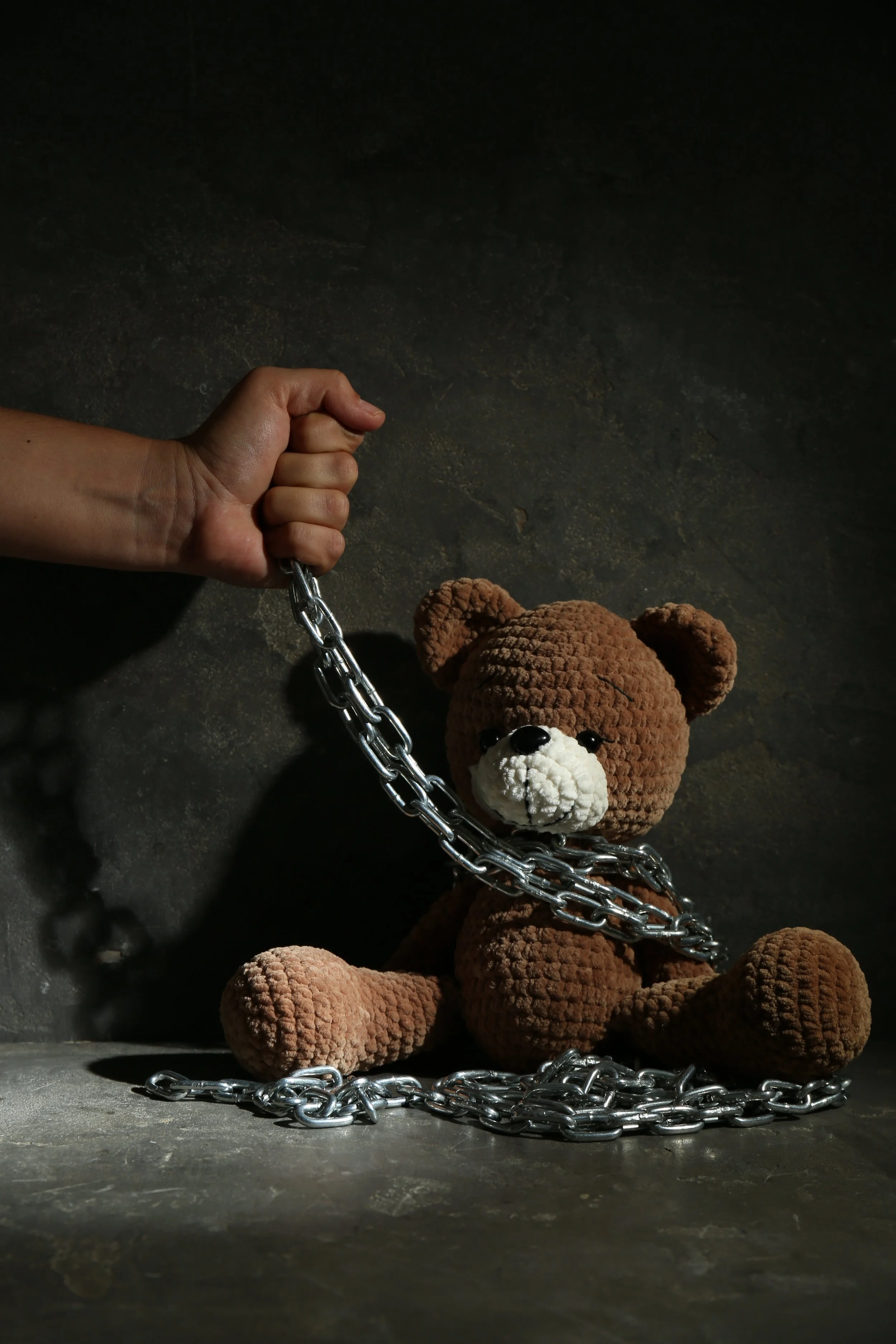
Grooming is more than manipulation. Learn how grooming changes the way people think about trust, love, identity, and self-worth—and why healing takes more than leaving the relationship.
Its real power lies in changing how a person understands themselves.
Grooming is a gradual psychological process that reshapes trust, attachment, boundaries, and identity. It is designed to make harmful behavior feel normal, control feel like love, and dependence feel like safety. By the time outsiders recognize something is wrong, the person being groomed may believe they are making their own choices—even when those choices have been carefully engineered.
Understanding grooming requires looking beyond the behavior of the perpetrator and examining what prolonged manipulation does to the developing brain and sense of self.
““The most damaging part of grooming is not simply what happens to a person—it is what they begin to believe about themselves.””
Why do intelligent, capable people stay in relationships that others immediately recognize as abusive?
It is a question often asked with confusion and, unfortunately, judgment.
The answer is rarely simple.
Grooming is not a single event. It is a systematic process of influencing how another person thinks, feels, and interprets reality. Rather than relying primarily on force, grooming gradually alters perception until unhealthy behavior feels expected—or even deserved.
By the time abuse becomes obvious, the victim's understanding of love, loyalty, and self-worth may already have been fundamentally reshaped.

What Is Grooming?
In the interview that inspired this article, the guest described grooming as an older adult intentionally manipulating a much younger teenager into believing that control, degradation, and emotional dependence were expressions of love. She reflected that, at the time, she believed she was in a genuine relationship and could not recognize the imbalance in power or maturity.
That lived experience reflects a broader psychological pattern.
Grooming is a deliberate process in which a person builds trust, emotional dependence, and compliance for the purpose of exploitation. It can occur in romantic relationships, families, religious organizations, workplaces, athletic programs, online communities, or any environment where one person holds greater power or influence over another.
Although grooming can affect adults, adolescents are particularly vulnerable because the parts of the brain responsible for judgment, impulse control, and long-term decision-making are still developing.

Human brains are designed to learn from relationships.
When a child or adolescent repeatedly receives affection alongside manipulation, criticism, or intimidation, those experiences become linked.
Over time, the brain may begin to associate:
· control with protection
· jealousy with love
· isolation with commitment
· fear with loyalty
· approval with obedience
This process does not happen overnight.
It develops through repetition.
The brain continuously adapts to survive its environment. If unhealthy dynamics become consistent enough, they can begin to feel emotionally familiar—even when they are objectively harmful.
This helps explain why leaving a grooming relationship can feel emotionally confusing rather than immediately liberating.
The Power Imbalance Matters
Healthy relationships depend on relatively equal freedom to make choices.
Grooming depends on unequal power.
Age differences, emotional maturity, financial dependence, social status, authority, or experience can all create conditions where one person has disproportionate influence over another.
The younger or more vulnerable individual often assumes the older person possesses greater wisdom or understanding. Rather than questioning inappropriate behavior, they may interpret it as guidance or evidence of maturity.
This imbalance allows manipulation to become normalized before the victim realizes what is happening.

Why Grooming Often Goes Unrecognized
Many people imagine grooming as obvious manipulation.
In reality, it often feels supportive at first.
The person doing the grooming may provide attention that has been missing elsewhere. They may appear protective, generous, understanding, or deeply invested in the relationship.
Gradually, however, healthy independence begins to disappear.
The groomed individual may become increasingly isolated from friends and family, less confident in their own judgment, and more dependent on the approval of the other person.
Because these changes occur slowly, they are difficult to recognize from inside the relationship.
When Identity Begins to Change
“One of the least discussed effects of grooming is identity erosion.
Instead of making independent decisions, people begin asking themselves questions”

"Will this upset them?"
"What would they want me to do?"
"Maybe they're right about me."
Eventually, personal values become replaced by survival strategies.
The person's confidence shrinks.
Their interests fade.
Their boundaries weaken.
Their identity becomes organized around maintaining the relationship rather than understanding themselves.
This transformation often continues long after the relationship ends.
The Lasting Impact on Self-Worth
One of the most damaging aspects of grooming is the gradual destruction of self-esteem.
Repeated criticism, emotional manipulation, and conditional affection teach a harmful lesson:
Love must be earned.
People may begin believing they are difficult to love, fundamentally flawed, or responsible for the abuse they experience.
During the interview, the guest described carrying those beliefs into adulthood, recalling that when later offered genuine love, her first response was not gratitude but disbelief. She questioned why someone would choose her, illustrating how deeply grooming can shape self-perception long after the original relationship has ended.
These internal beliefs often outlast the relationship itself.

Why Healing Takes Time
Leaving an abusive relationship ends the physical proximity.
It does not immediately undo the psychological conditioning.
Recovery involves learning that:
· respect is not something that must be earned through suffering.
· healthy relationships allow disagreement.
· boundaries protect relationships rather than threaten them.
· affection does not require fear.
· mistakes do not determine personal worth.
This process often requires patience because the brain must build new emotional associations to replace years of learned survival patterns.
Healing is less about forgetting the past than teaching the nervous system that safety no longer has to feel unfamiliar.
Supporting Someone Who Has Been Groomed
Friends and family often want immediate answers.

"Why didn't you leave?"
"Why didn't you tell someone?"
Although understandable, these questions can unintentionally reinforce shame.
More helpful responses include:
· listening without rushing to solve the problem.
· believing the person's experience.
· avoiding blame.
· encouraging professional and peer support.
· recognizing that rebuilding trust may happen slowly.
Recovery begins with restoring autonomy.
People who have experienced grooming benefit from making their own choices again, often in small but meaningful ways.
Why Education Matters
Grooming succeeds because it is often misunderstood.
Many young people receive education about physical safety while learning very little about emotional manipulation, coercive control, or unhealthy relationship dynamics.
The interview emphasized the importance of better conversations with adolescents about relationships, boundaries, and healthy expressions of love. While no single conversation can prevent exploitation, education gives young people language to recognize behaviors that might otherwise feel confusing or normal.
Understanding grooming is not about teaching fear.
It is about teaching recognition.

Why It Matters
Grooming changes more than relationships.
It changes expectations.
It changes beliefs.
It changes identity.
Recognizing those effects helps explain why recovery is rarely as simple as walking away. Healing involves rebuilding trust—not only in other people, but also in one's own judgment, worth, and ability to form healthy connections.
When we understand grooming as a process of psychological conditioning rather than a single abusive act, we become better equipped to support survivors with compassion instead of criticism.